
If you are researching roofing options for a new build, a re-roof, or a large-scale contracting project, stone coated metal shingles deserve a serious look. Combining the strength of galvanized steel with a stone-chip surface coating, this roofing system delivers the curb appeal of traditional shingles, shakes, or tiles while offering a service life that can exceed 50 years. In this guide, we break down what stone coated metal shingles are made of, how they compare to asphalt shingles and standing seam metal roofing, what they cost per square foot in the U.S. market, and how to choose a reliable manufacturer for your next project.
What Are Stone Coated Metal Shingles Made Of?
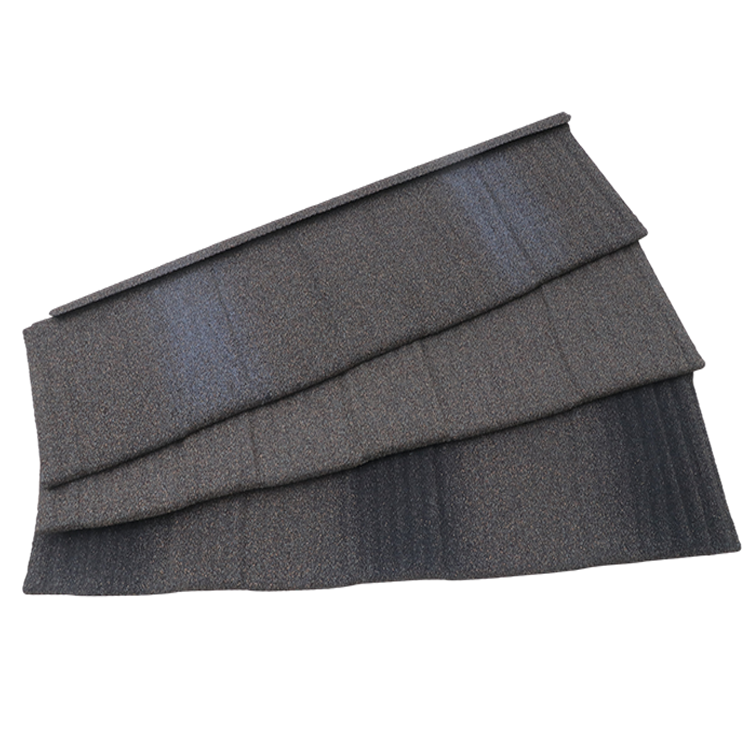
Stone coated metal shingles are manufactured from a base layer of galvanized or Galvalume steel (sometimes aluminum), which is roll-formed into interlocking panels. The steel is then coated with an acrylic-bonded layer of natural stone chips, giving the panel the texture and color depth of asphalt shingles, wood shakes, or slate tile — without the weight or fragility of those materials.
This construction answers one of the most common homeowner questions: what are metal roofs made of? In the case of stone coated systems, the answer is a composite of three layers — a structural steel core, a corrosion-resistant coating (usually zinc-aluminum alloy), and the decorative stone-chip finish sealed with an acrylic glaze. This is different from plain tin roofing, which typically refers to uncoated or thinly coated sheet metal with far less durability and a much shorter lifespan.
Because the stone-chip layer is embedded directly into the coating rather than painted on, it resists fading, chipping, and UV degradation far better than standard painted steel shingles or basic stamped steel roofing panels.
Stone Coated Metal Shingles vs. Asphalt Shingles and Standing Seam Roofing
One of the most frequent searches homeowners run is “metal shingles vs asphalt shingles” — and for good reason, since asphalt still dominates the residential U.S. market on price alone. Here is how the two compare:
- Lifespan: Asphalt shingles typically last 15–25 years. Stone coated metal shingles commonly carry 40–50 year warranties and can last even longer with proper maintenance.
- Weight: Asphalt shingles weigh 200–400 lbs per square (100 sq ft), while stone coated metal panels weigh roughly 100–150 lbs per square — a meaningful advantage for structures with weight restrictions.
- Wind and impact resistance: Interlocking stone coated panels are engineered to withstand hurricane-force winds (often rated 120+ mph) and hail impact, frequently qualifying for Class 4 impact ratings and insurance discounts.
- Energy efficiency: Reflective stone coated surfaces reduce attic heat gain, which is a major reason many buyers search for the energy efficiency benefits of metal roofing.
Compared with standing seam metal roofing (a smooth, vertical-panel system), stone coated shingles offer a more traditional, dimensional look that blends into neighborhoods where a modern metal roof aesthetic isn’t desired — while still delivering standing-seam-level durability. This makes stone coated panels a strong middle ground for buyers weighing “shingles or metal” as a binary choice; they don’t have to sacrifice classic curb appeal to get metal roof performance.
Key Benefits of Stone Coated Metal Shingles
Beyond the asphalt comparison, stone coated metal roofing delivers several benefits that keep it trending among both homeowners and roofing contractors:
- Exceptional longevity — Most manufacturers offer 40- to 50-year warranties, with many systems still performing well past that window.
- Low maintenance — No cracking, curling, or algae growth issues typical of aging asphalt shingles.
- Fire resistance — Steel is non-combustible, giving stone coated roofs a Class A fire rating.
- Lightweight installation — Often light enough to install directly over existing asphalt shingles in eligible re-roofing projects, reducing tear-off labor and disposal costs.
- Design versatility — Available in shake, shingle, tile, and slate profiles, so the roof can match a wide range of architectural styles.
- Recyclable material — Steel cores are highly recyclable at end of life, appealing to sustainability-focused buyers.
These advantages explain why “how long does a metal roof last” and “benefits of a tin roof” remain two of the most searched questions among homeowners comparing roofing systems before a purchase decision.
Styles, Colors, and Design Options
A major reason stone coated metal shingles have gained U.S. market share is design flexibility. Unlike a single-profile standing seam panel, stone coated systems are typically offered in:
- Shake profiles — mimicking the deep texture of cedar shake roofing installation without the fire risk or rot potential of real wood.
- Shingle profiles — replicating the layered look of architectural asphalt shingles.
- Tile and slate profiles — for buyers seeking a Mediterranean or colonial aesthetic, similar to barrel tile roofs or colonial slate shingles, at a fraction of the weight of clay or real slate.
Color ranges typically span earth tones, pewter gray, aged copper, and deep charcoal or black — allowing the roof to complement a wide variety of siding colors and regional architectural preferences. Buyers searching for “metal roof colors” or a roof “that looks like shingles” are almost always describing this exact category of product.
How Much Do Stone Coated Metal Shingles Cost?
Cost is consistently one of the top-searched topics in this category (as reflected in high-volume terms like “metal roof cost per square foot” and “tin roof vs shingles price”), so it’s worth breaking down clearly.
In the U.S. market, installed pricing for stone coated metal shingles generally runs $9–$14 per square foot, or roughly $900–$1,400 per square (100 sq ft), including materials and professional installation. By comparison:
- Asphalt shingles: $4.50–$7.50 per square foot installed
- Standard corrugated or exposed-fastener steel roofing: $6–$9 per square foot
- Standing seam metal roofing: $9–$16 per square foot
- Stone coated metal shingles: $9–$14 per square foot
- Natural slate or clay tile: $15–$30+ per square foot
While the upfront cost of stone coated metal shingles is higher than asphalt, the total cost of ownership is often lower once you factor in a 40–50 year lifespan versus two to three asphalt roof replacements over the same period, plus potential insurance premium reductions for impact-resistant roofing.
Regional factors also matter — for example, buyers researching the cost of a metal roof in Florida should expect pricing at the higher end of the range due to hurricane-code wind and impact requirements, while material and labor costs in the Midwest tend to sit closer to the national average.
Installation Process Overview
Stone coated metal shingle panels are designed for interlocking installation over battens or directly over solid decking, depending on the manufacturer’s system. A typical installation sequence includes:
- Roof deck inspection and preparation
- Installation of underlayment (synthetic or self-adhering membrane)
- Battens or furring strips, if the system requires them
- Panel installation starting from the eave, interlocking each course upward
- Ridge cap, flashing, and trim installation at valleys, hips, and penetrations
Because panels typically cover more area per piece than asphalt shingles and interlock rather than requiring individual nailing patterns, labor time is often comparable to or faster than a full asphalt tear-off and re-roof — an important consideration for contractors managing project timelines. Many systems are also engineered to be installed over existing shingles, which is a major cost and time advantage discussed extensively under “roofing over old shingles” and “how to install metal roofing over shingles” search topics.
Choosing a Reliable Stone Coated Metal Roofing Manufacturer
Whether you’re a homeowner sourcing directly, a contractor buying for a project, or a distributor building out wholesale roofing shingles inventory, the manufacturer behind the product matters as much as the product itself. When evaluating suppliers, look for:
- Coating technology — Acrylic-bonded stone chip layers with a protective glaze resist UV fading and granule loss far better than budget alternatives.
- Certifications — UL, ASTM, and Miami-Dade/Florida Building Code approvals are essential for wind- and impact-rated projects.
- Warranty terms — Confirm whether the warranty covers material only or includes coating and color retention.
- Export and logistics capability — For international buyers and distributors, confirm the manufacturer can handle container loading, documentation, and consistent batch quality across large orders.
- Color and profile range — A wider catalog of shake, shingle, and tile profiles allows you to serve a broader range of residential and commercial projects.
As a manufacturer focused on stone coated metal roofing for the global market, we work directly with distributors, contractors, and importers to supply consistent, code-compliant panels backed by full technical documentation — an important factor for any buyer comparing metal roofing suppliers before committing to a large order.
Frequently Asked Questions
Is a stone coated metal roof worth the extra cost over asphalt? For most homeowners planning to stay in their home long-term, yes — the extended lifespan, lower maintenance, and potential insurance savings typically offset the higher upfront price over time.
Can stone coated metal shingles be installed over an existing asphalt roof? In many cases, yes, provided local building code allows it and the existing deck is structurally sound. This can significantly reduce both labor cost and landfill waste.
Do stone coated metal shingles fade over time? The acrylic-bonded stone coating is designed to resist UV fading far longer than painted metal or asphalt granules, though color retention varies by manufacturer and coating quality.
What is the difference between stone coated steel and standing seam metal roofing? Standing seam features smooth, vertical panels for a modern look, while stone coated steel replicates the texture of shingles, shakes, or tile — making it a better fit for traditional architectural styles.
Final Thoughts
Stone coated metal shingles sit at the intersection of durability, design flexibility, and long-term value — offering the visual warmth of asphalt, shake, or tile roofing with the strength and lifespan of steel. For homeowners, that means fewer replacements and lower lifetime costs. For contractors and distributors, it means a growing product category with strong demand across the U.S. residential and commercial roofing market. Choosing the right manufacturer — one with proven coating technology, code certifications, and reliable supply capacity — is the deciding factor in getting the full value this roofing system has to offer.
rgrahamroofing@hotmail.com would like to be a installer done roofs with steel shingles before