
The Snow-Shedding Trade-Off: What Nobody Tells You About Metal Roofs Before a Canadian Winter
Most articles about metal roofing and snow stop at one line: “metal roofs shed snow better than shingles.” That’s true, but it’s also an incomplete answer

Most articles about metal roofing and snow stop at one line: “metal roofs shed snow better than shingles.” That’s true, but it’s also an incomplete answer
If you’re sourcing stone coated metal roofing to distribute, install at scale, or import for resale, the questions that matter are different from the ones a homeowner asks.
Stone Coated Metal Roofing: A Wholesale Buyer’s Guide Read Post »
There’s a persistent assumption in roofing conversations, especially in hurricane and high-wind regions: heavier must mean sturdier. It’s an intuitive idea — more mass feels like it should be harder to move — but lightweight roofing wind resistance doesn’t actually work that way once you look at how wind uplift forces and roofing attachment systems function in practice. Understanding the real physics changes how this decision should be made in wind-prone markets.
Light Roof, Strong Roof: Debunking the “Heavier Is Sturdier” Myth Read Post »
Homeowners planning a second-story addition usually start with floor plans, window placement, and how the new space will feel — roofing material is often one of the last decisions made, treated as a finishing touch rather than a structural input. But roof weight and second story additions are more connected than most renovation timelines suggest, and getting the material conversation right early can meaningfully change what a structural engineer signs off on.

Roofing material rarely comes up in conversations about earthquake preparedness — most people think about foundation bolting, shear walls, and water heater strapping long before they think about what’s on top of the house. But lightweight roofing in earthquake zones plays a real, physics-based role in how a structure behaves during seismic activity, and it’s a factor building professionals in California and other seismic regions weigh more carefully than most homeowners realize.
Lightweight Roofing in Earthquake Zones: What California Homeowners Should Understand Read Post »

Before a contractor ever talks color, style, or brand with a homeowner renovating an older property, there’s a quieter question running in the background: can the existing structure actually carry the roofing material being discussed? Lightweight roofing for older homes isn’t a design preference — for a meaningful share of pre-1980s houses, it’s the constraint that decides which materials are even on the table.
Lightweight Roofing for Older Homes: The Hidden Constraint Contractors Check First Read Post »
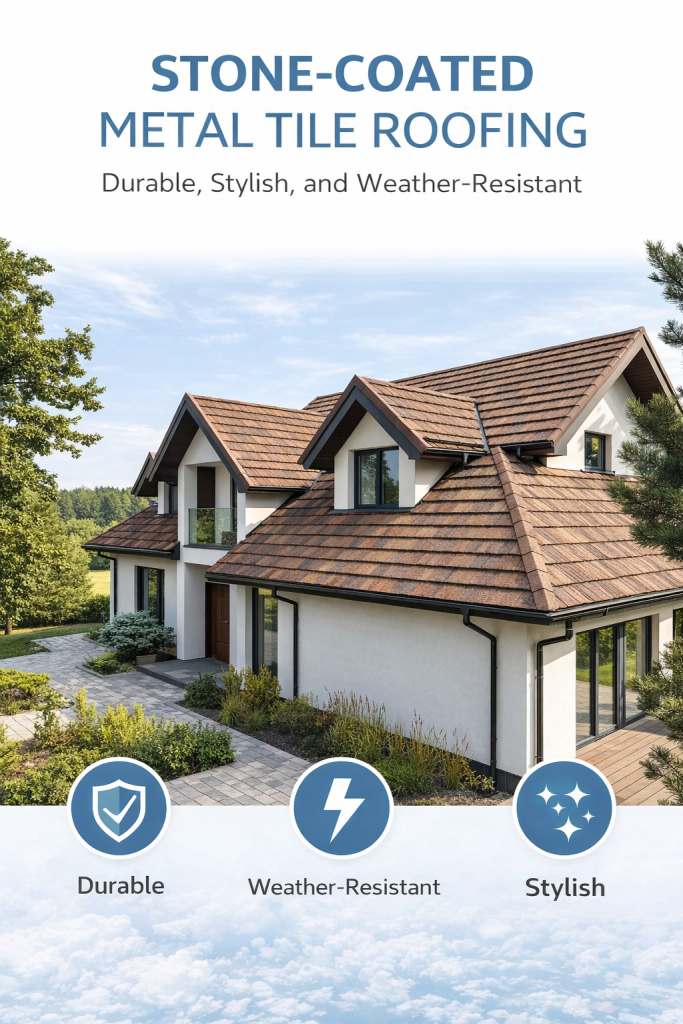
By the time a homeowner or contractor sees a sample panel in a showroom, metal shingle roofing material has already been through a manufacturing sequence most buyers never think about — one that determines almost everything about how the product will perform for the next 40 to 70 years. The finished panel looks simple: steel, color, shape. What happens before that point is where the real differences between a good product and a mediocre one actually get decided, long before installation ever begins.
Metal Shingle Roofing Material: Inside the Process Before It Reaches a Roof Read Post »
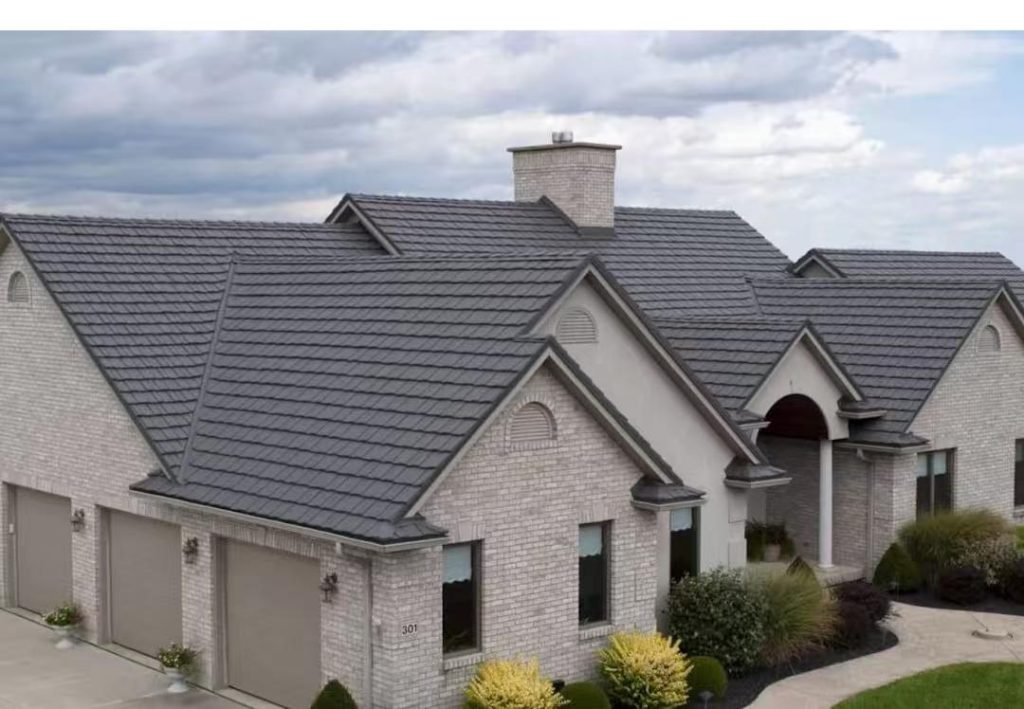
The first month after installing a metal shingle roof is when homeowners post the photos — the clean lines, the new color, the neighbor’s compliment at the mailbox. The more useful conversation happens quietly, about twelve months in, after the roof has been through a full cycle of seasons: a hot summer, at least one hard rain, maybe a hailstorm, and the first heating bill of winter. That’s when the honest reviews show up, and they tend to focus on a narrower, more practical set of questions than the ones homeowners asked before installation.
Metal Shingle Roof One Year Later: What Owners Actually Say Read Post »
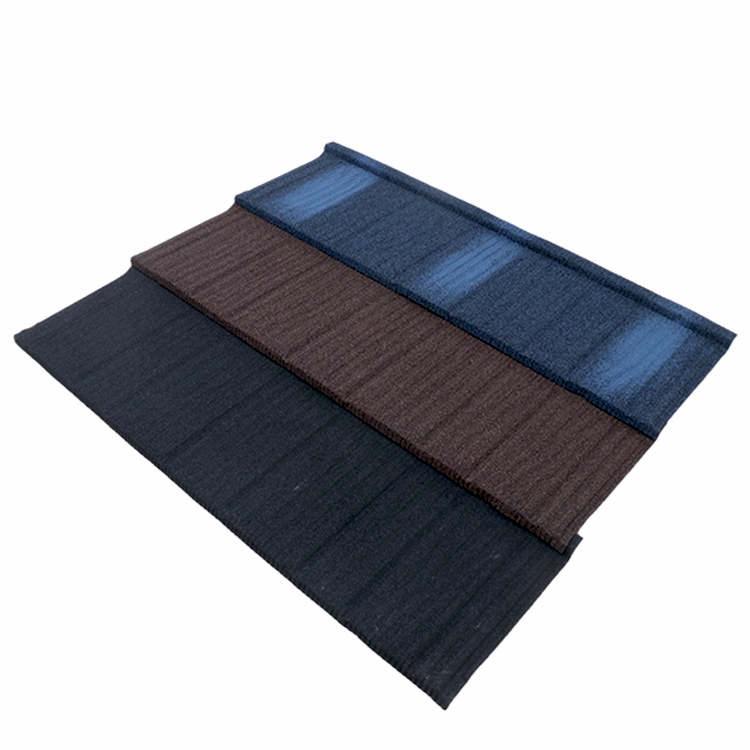
Architectural shingles win almost every initial roofing quote comparison in the United States, and for a straightforward reason: the number on the estimate is lower. What rarely makes it into that conversation is what the number looks like when you extend it across the actual lifespan of a house, rather than the lifespan of a single roofing product. Most homeowners choose a roof once every fifteen to twenty years and never run that math, because nobody hands them the version of the quote that spans three decades instead of one.
Architectural Shingles: The 30-Year Math Nobody Runs Read Post »
Utility bills tell a story most homeowners never connect back to their roof. In much of the U.S. Sun Belt, cooling costs can account for a significant share of a home’s total energy usage during summer months, and roofing material plays a bigger role in that number than most people realize. This is where energy efficient stone coated metal roofing starts to separate itself from traditional asphalt in a way that goes beyond curb appeal or storm resistance.
Energy Efficient Stone Coated Metal Roofing: The Science Behind Lower Cooling Costs Read Post »
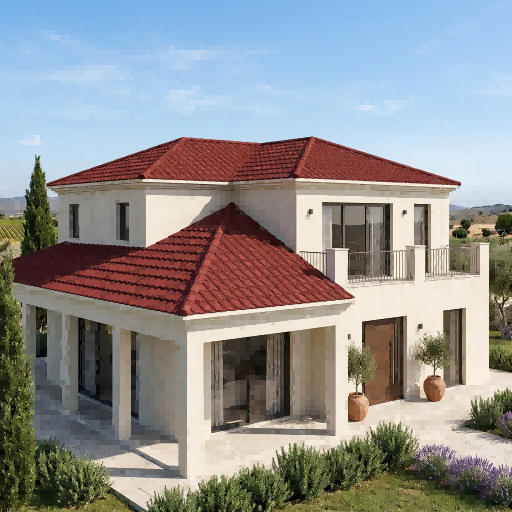
Talk to a roofing crew that’s been climbing ladders for twenty years, and you’ll notice they don’t talk about steel roofing the way a brochure does. They don’t mention curb appeal first. They talk about what happens six months after installation, what causes a callback, and which materials made their knees hurt less by the end of a long project season. It’s a different kind of expertise — not marketing language, just accumulated pattern recognition from thousands of hours on rooftops in every kind of weather. That perspective tends to cut through a lot of noise about what actually makes steel roofing good or bad in practice.
Steel Roofing: What Installers Say After 20 Years on Roofs Read Post »
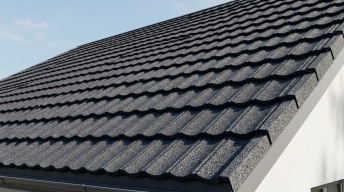
How long does stone coated metal roofing last? It’s one of the first questions we get from homeowners and contractors evaluating this system against traditional asphalt shingles — and the honest answer requires looking past the “50-year warranty” number printed on marketing brochures. As a manufacturer, we think it’s more useful to explain the actual engineering behind that lifespan, so buyers understand exactly what they’re paying for and why.
How Long Does Stone Coated Metal Roofing Last? An Engineer’s Breakdown Read Post »
If you’ve spent any time researching stone coated metal roofing brands, you’ve probably run into the same handful of names — DECRA, Gerard, Metrotile, Tilcor, Boral. What most homeowners and even some contractors don’t realize is how much consolidation has happened behind those names over the past decade, and how that consolidation is quietly reshaping where the panels installed on U.S. roofs actually come from.
Stone Coated Metal Roofing Brands: Who’s Really Behind the Names You Know Read Post »
The day after a major hailstorm or a hurricane moves through a neighborhood, you can usually tell which roofs were built for the event and which ones weren’t — just by walking the block. Blue tarps go up over the shingle roofs first. Insurance adjusters show up in clusters at the same handful of houses. And a few roofs, often stone coated steel roofing, look almost untouched, aside from some surface debris that gets swept off within a day or two. This isn’t a coincidence, and it isn’t marketing exaggeration. It shows up consistently in post-storm damage assessments, and it’s worth understanding why.
Stone Coated Steel Roofing: What Survives the Storm Read Post »
A traditional shake roof has a warmth and texture that few other roofing materials replicate — the deep shadow lines, the slightly irregular cedar coloring, the way it ages into a home’s overall character. It’s also, increasingly, a material that homeowners in fire-prone regions of the U.S. are being asked to reconsider — not by trend, but by code.
Shake Roof Options That Meet Modern Fire Codes (Without Losing the Look) Read Post »
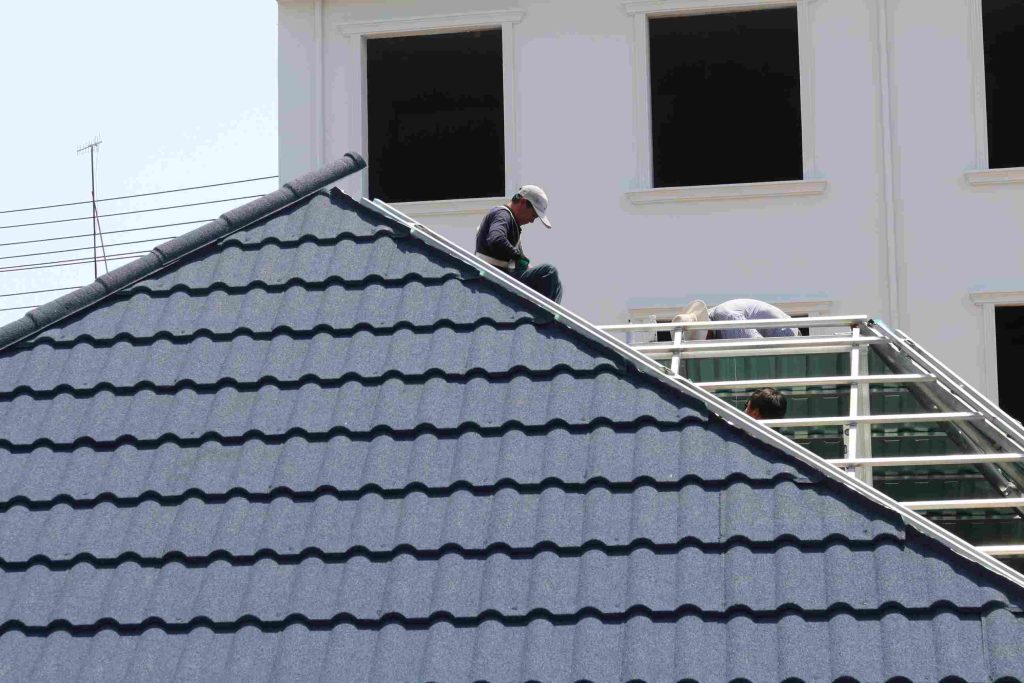
Ask a roofing contractor what actually drives their material choice on a reroof job, and the answer usually has less to do with brochures and more to do with three things: how long the install takes, how many callbacks the job generates afterward, and whether the homeowner is happy with the look. Stone coated metal shingles are increasingly showing up in that conversation — not because of a marketing push, but because they change the math on all three of those variables in a contractor’s favor.
Stone Coated Metal Shingles: Why More Reroofing Contractors Are Making the Switch Read Post »
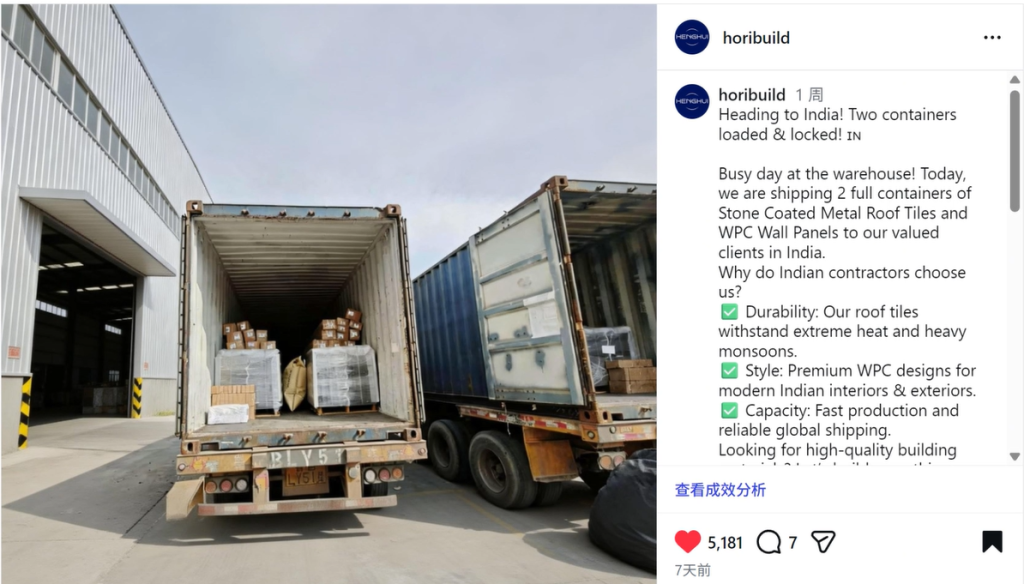
Most articles about stone coated metal roofing start with a comparison chart — metal versus asphalt, metal versus tile, pros versus cons. We’re going to skip that entirely. As a manufacturer that produces this material every day, we think the more useful starting point is understanding what stone coated steel roofing actually is, physically, and how it comes together on the production floor — because once you understand the manufacturing process, most of the “should I choose this material” questions answer themselves.
Stone Coated Metal Roofing: An Inside Look at How It’s Actually Made Read Post »
When hailstorms roll through Texas or Colorado’s infamous “Hail Alley,” the difference between a roof that survives and a roof that needs a full tear-off often comes down to material science
Stone Coated Metal Roofing Hail Resistance: What Roofing Experts Want Homeowners to Know Read Post »
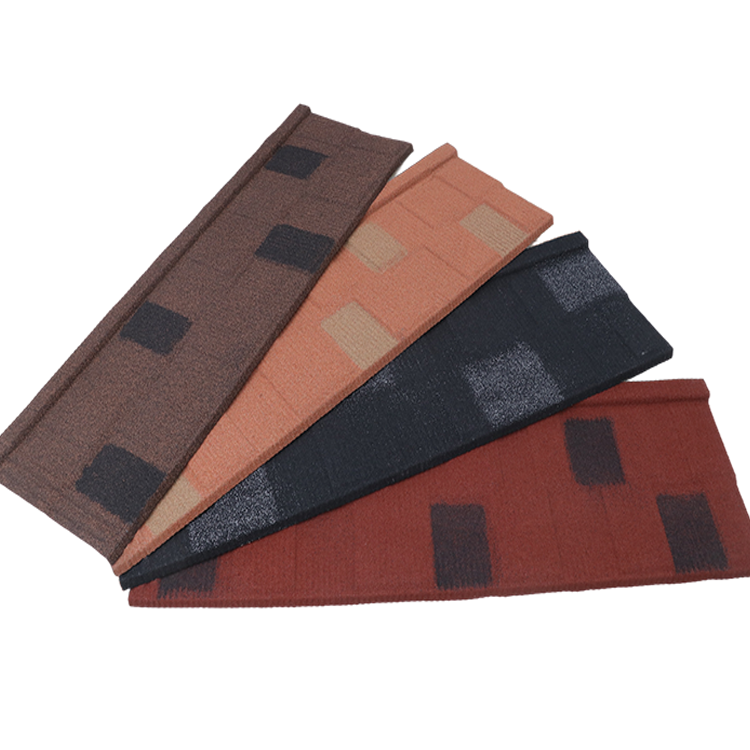
For a lot of homeowners, the biggest obstacle to switching from asphalt to metal isn’t performance — it’s approval. HOA boards, architectural review committees, and historic district guidelines were often written decades ago with asphalt shingles as the assumed standard, and many homeowners assume metal roofing simply isn’t an option for their property. This is exactly where stone coated metal roofing that looks like shingles solves a problem most people don’t realize already has a solution.
Stone Coated Metal Roofing That Looks Like Shingles (But Outperforms Them) Read Post »
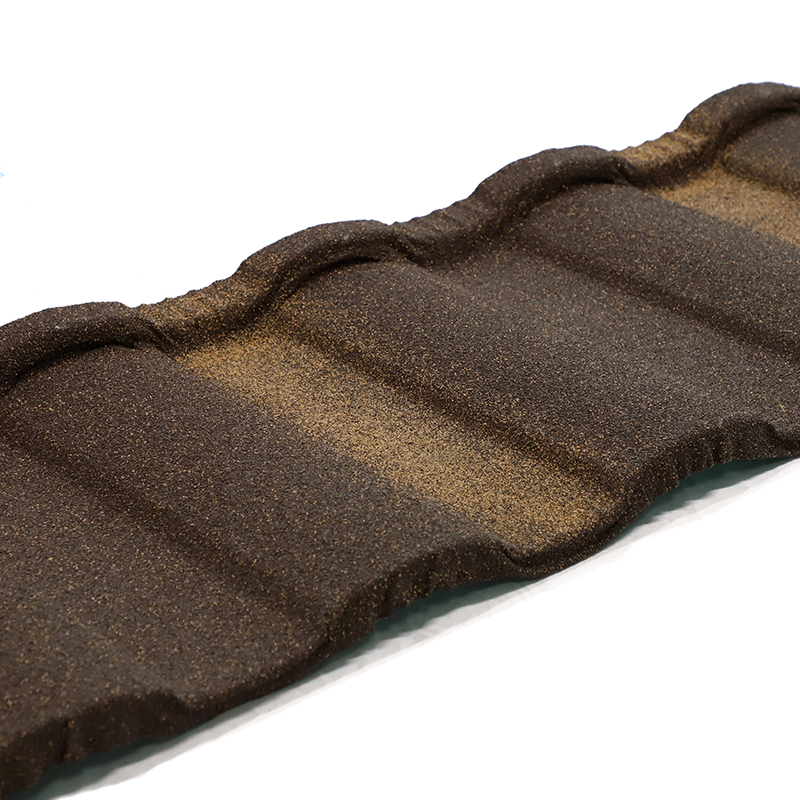
Ask ten homeowners what they think about types of metal roofing, and at least seven will repeat something they heard from a neighbor, a contractor with an agenda, or a decade-old forum post. Metal roofing has been around long enough that misinformation has had plenty of time to calcify into “common knowledge.” Some of it was true twenty years ago and simply hasn’t been updated. Some of it was never true at all. Either way, it’s worth separating what’s actually accurate from what just sounds plausible.
Types of Metal Roofing: 6 Myths Homeowners Still Believe Read Post »
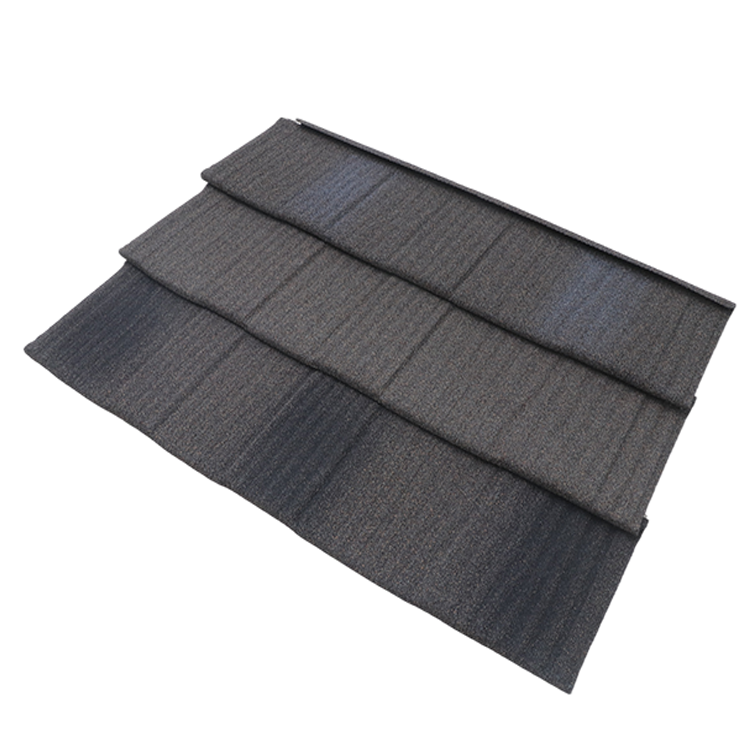
Something has been shifting on American rooftops over the past decade, and most homeowners haven’t noticed it happening. Ask any veteran roofing contractor what the best metal roofing material is right now, and you’ll rarely hear a hesitant answer — you’ll hear a story about insurance claims, landfill fees, and callbacks that never used to happen with asphalt shingles but now happen constantly. The traditional shingle roof, once the default choice for nearly every home in America, is losing ground, and the reasons have very little to do with looks.
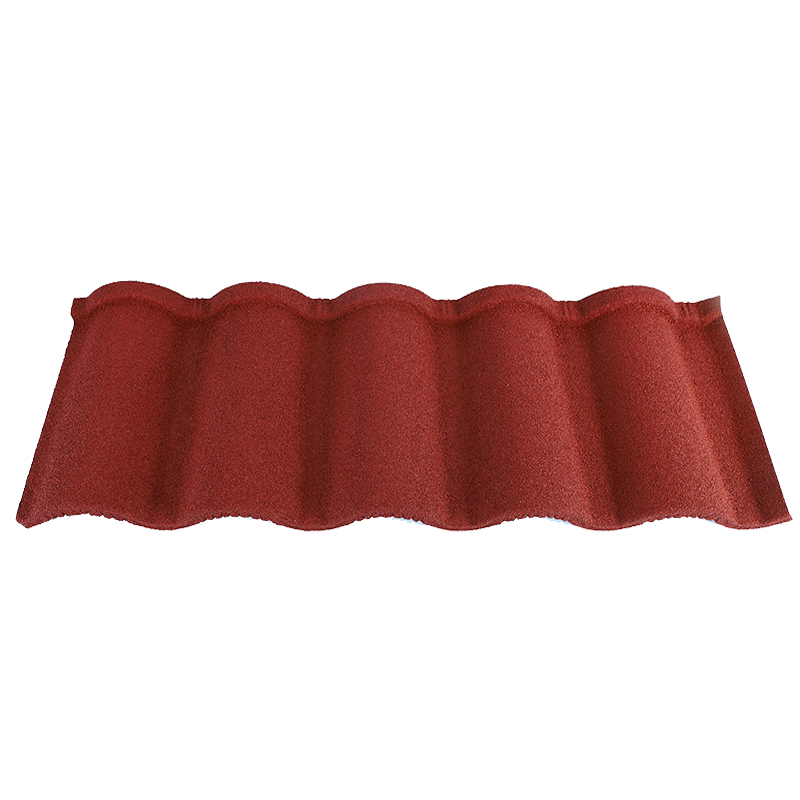
Stone coated metal roofing has become one of the most sought-after roofing solutions for homeowners, contractors, and commercial buyers who want the classic look of tile or shingles combined with the strength of steel. If you are researching stone coated metal roofing for a new build, a renovation project, or a wholesale supply decision, this guide walks you through everything you need to know — from what it is and how much it costs, to how it compares with traditional roofing materials, and how to choose the right manufacturer.
Stone Coated Metal Roofing: The Complete Guide for Homeowners and Buyers Read Post »
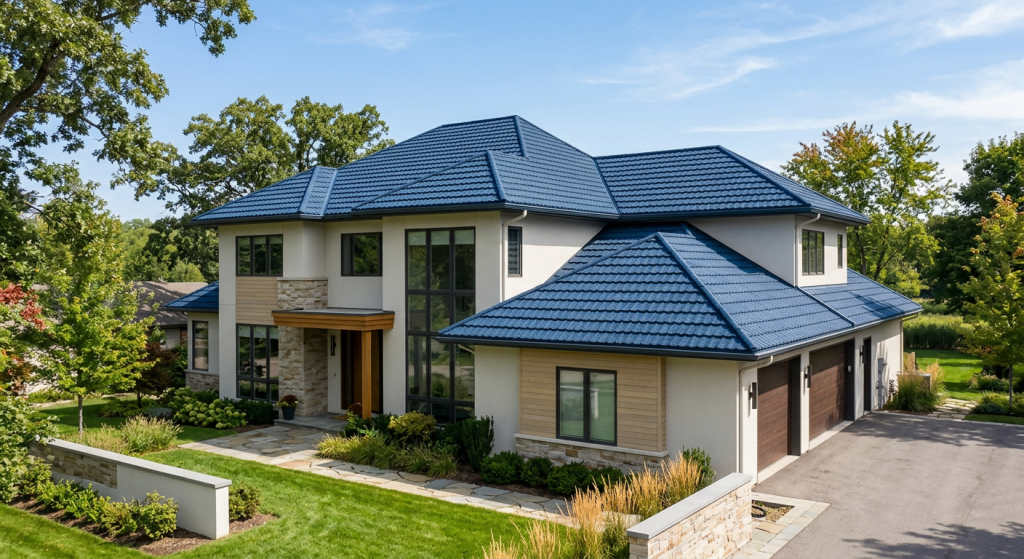
Ask five different roofing contractors what “the best metal roof” looks like, and you’ll probably get five different answers. That’s because metal roofing isn’t one product — it’s a whole category, ranging from bare corrugated steel sheets to standing seam panels to the stone-coated shingles that have become one of the fastest-growing choices in the U.S. residential market. Stone coated metal roofing sits in an interesting spot within that category: it has the strength and lifespan people expect from metal, but it’s built to look like something else entirely — shake, slate, or traditional shingles. If you’re weighing your options for a re-roof or a new build, it helps to understand where stone coated systems fit before you commit to anything.
Why Stone Coated Metal Roofing Is Winning Over Homeowners Who Hate the “Metal Roof” Look Read Post »
Choosing the lightest roof material isn’t just about reducing the load on your rafters — it’s about balancing weight, durability, and long-term cost. Homeowners and contractors researching lightweight roofing options are often trying to solve a specific problem: an older structure that can’t support heavy tile or slate, a re-roofing project where tear-off isn’t practical, or simply a desire for a material that’s easier and faster to install without sacrificing performance. In this guide, we compare the lightest roofing materials available in the U.S. market — including asphalt shingles, aluminum panels, lightweight insulating concrete, and stone coated steel — and explain why stone coated metal roofing consistently comes out ahead when weight and durability both matter.
The Lightest Roof Material for Homes: Stone Coated Steel Roofing Compared Read Post »
If you are researching roofing options for a new build, a re-roof, or a large-scale contracting project, stone coated metal shingles deserve a serious look. Combining the strength of galvanized steel with a stone-chip surface coating, this roofing system delivers the curb appeal of traditional shingles, shakes, or tiles while offering a service life that can exceed 50 years. In this guide, we break down what stone coated metal shingles are made of, how they compare to asphalt shingles and standing seam metal roofing, what they cost per square foot in the U.S. market, and how to choose a reliable manufacturer or supplier for your next project.
Stone Coated Metal Shingles: The Complete Guide for Homeowners and Contractors Read Post »
Texas is known for doing things big, and that includes its weather. From the scorching summer heatwaves of Dallas and Austin to the devastating hailstorms of North Texas and the violent tornadoes rolling through the plains, the Lone Star State presents one of the most punishing climates in America for any roofing material.
Best Roofing Material for Texas Climate: Sourcing the Ultimate Resilient Shield Read Post »
When planning a new roof for a residential estate or a large-scale commercial development, selecting the right color is one of the most critical design decisions. The roof color can account for up to 40% of a building’s visible exterior, directly impacting its curb appeal, property value, and even its energy efficiency.
What Colors Are Available for stone coated metal roofing? Read Post »
For property owners in hail-prone regions, spring and summer storms bring a recurring threat: destructive hailstones. Traveling at speeds up to 100 mph, large hailstones can pulverize traditional roofs in minutes, leading to immediate structural leaks, mold, and costly total replacements.
Hail-Resistant Roofing: How the Hardness of Stone-Coated Steel Defies Heavy Hail Read Post »
Tornadoes are among the most violent and unpredictable atmospheric phenomena on earth. With wind speeds that can exceed 200 mph, tornadoes generate two highly destructive forces that instantly destroy standard buildings: extreme upward suction (wind uplift pressure) and high-velocity flying debris impact (the missile effect).
Tornado-Resistant Roofing: Can Your Roof Survive the Twister? Read Post »
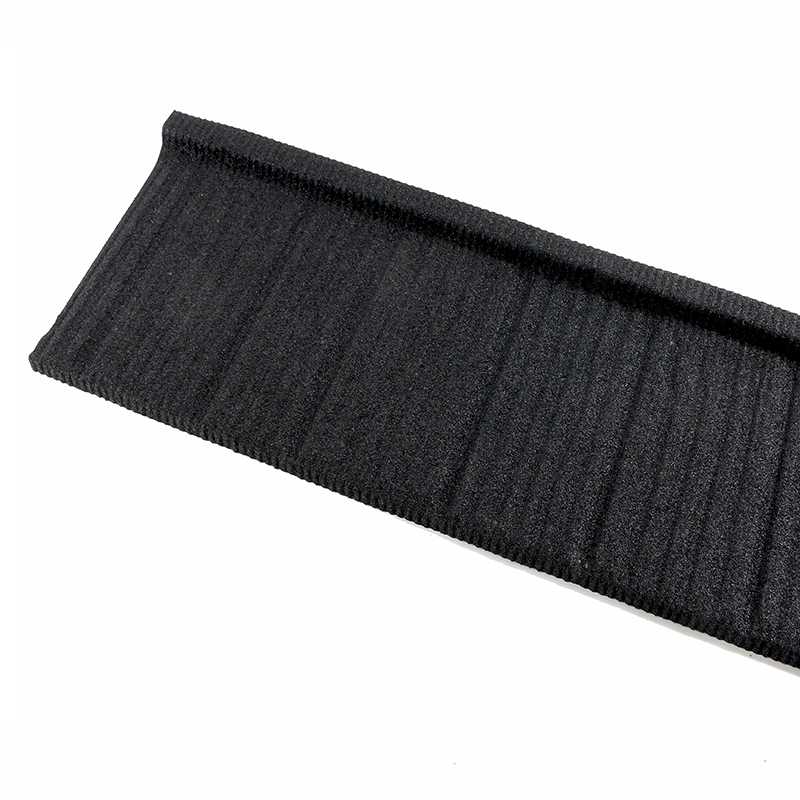
Building near the ocean comes with breathtaking views, but it also presents a severe architectural challenge: saltwater corrosion. The combination of constant marine salt spray, high humidity, intense coastal UV rays, and strong sea breezes acts as a highly destructive force on standard building materials.
What Is the Best Roofing Material for Coastal Homes? The Ultimate Anti-Corrosion Shield Read Post »
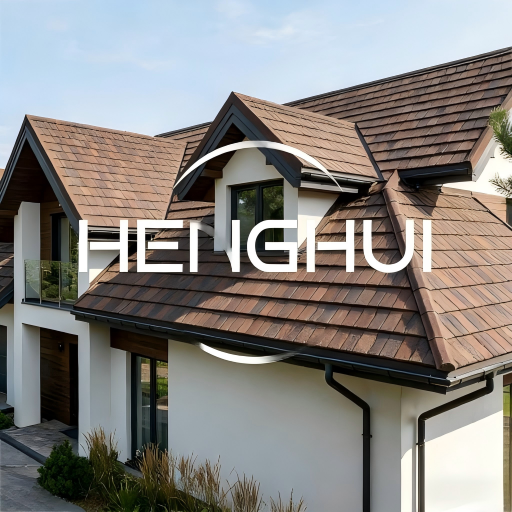
When a severe storm hits, your roof is the first line of defense protecting your family, your property, and your investment. From violent thunderstorms and heavy hail to blinding snowstorms and torrential downpours, modern weather patterns are becoming increasingly unpredictable and destructive.
Storm-Proof Roofing: How Stone-Coated Metal Tiles Survive Nature’s Worst Read Post »
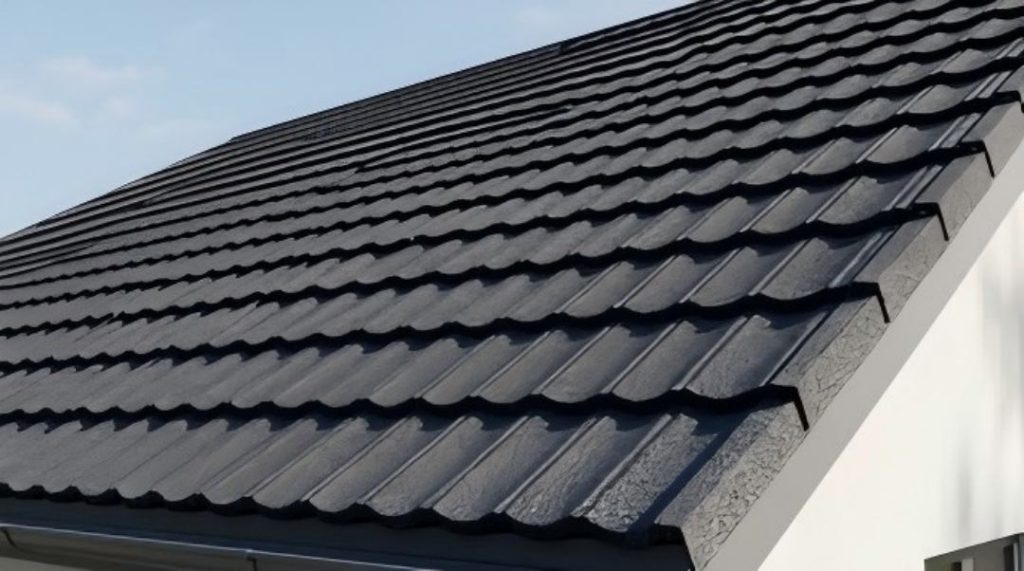
For homeowners, developers, and builders in coastal areas, tropical zones, and storm-prone regions, choosing the right roofing material is a matter of structural survival. High winds, typhoons, and hurricanes can tear a roof apart in minutes, leading to catastrophic water damage and total structural failure.
Hurricane-Proof Roofing: Why Stone-Coated Metal Roofing Excels in Extreme Winds Read Post »
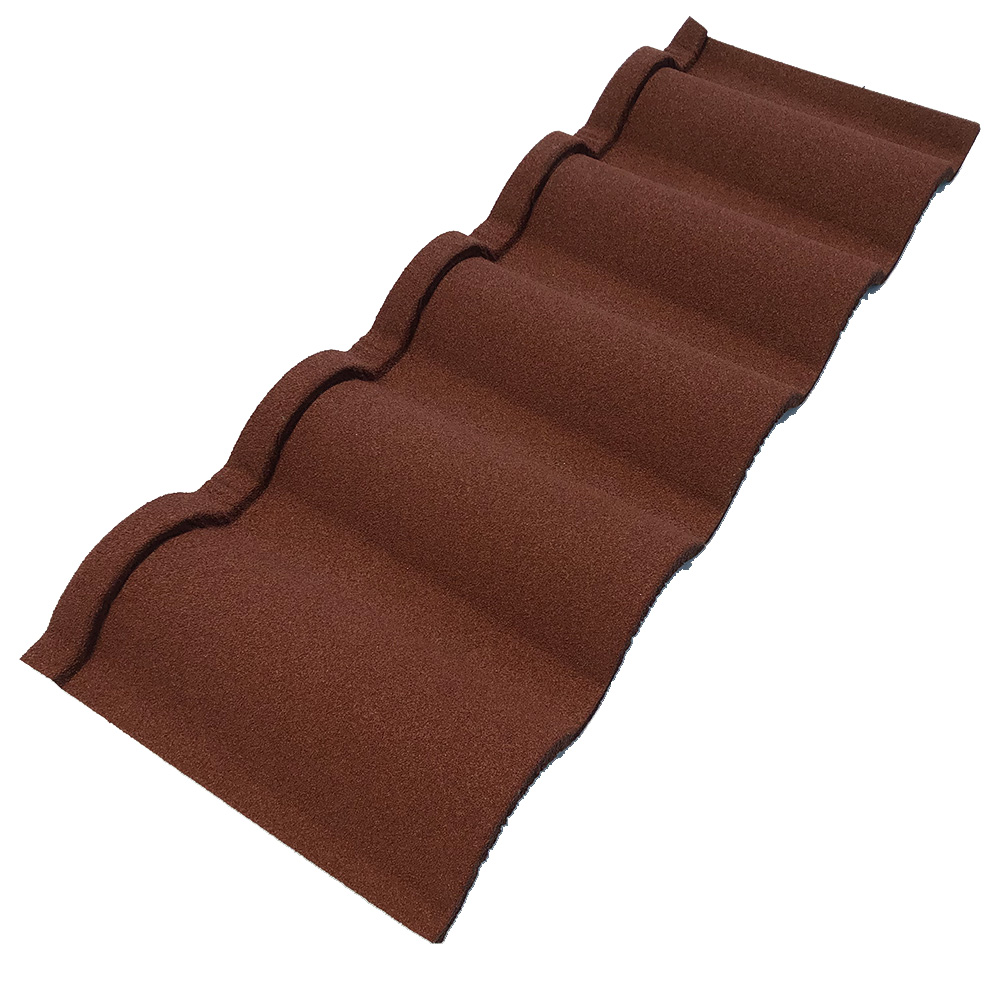
Living near the ocean offers breathtaking views, but it also exposes your house to one of nature’s harshest environments. For coastal homeowners, the combination of saltwater spray, high humidity, and intense UV rays creates a hotbed for roof corrosion. If you are looking for the ultimate corrosion-resistant roofing, stone coated metal roofing is the engineered answer to coastal challenges.
When choosing a roofing material, safety is always the top priority. With wild fires, lightning strikes, and urban fire hazards increasing globally, homeowners and builders frequently ask: What is the most fire-resistant roof type available?
What Is the Most Fire-Resistant Roof Type? Why Stone-Coated Metal Roofing Excel Read Post »
When temperatures soar, homeowners and builders look for ways to keep buildings cool and energy bills low. If you are wondering whether a metal roof is suitable for hot climates, the short answer is yes. In fact, modern metal roofing is one of the most energy-efficient materials available for hot and sunny regions.
When house-owner,commercial developers, roofing contractors, roofing distributors,and building material wholesalers evaluate building materials, the primary question is: What is the actual stone coated metal roofing cost?
Stone Coated Metal Roofing Cost: The Ultimate B2B Pricing and ROI Guide Read Post »
Choosing the right stone coated steel roofing tiles involves balancing long-term durability with the total stone coated metal roofing cost. As a direct factory, we provide this comprehensive guide to help wholesale buyers and B2B importers make informed purchasing decisions.
The Ultimate Buying Guide to Stone Coated Metal Roof Tiles: Manufacturer Insights Read Post »
When it comes to high-end roofing, the debate usually boils down to two contenders: traditional clay/concrete/pvc tiles and modern stone coated metal roofing.
Metal vs. Clay: Why a Spanish Tile Metal Roof is the Smarter Investment Read Post »
When it comes to choosing a roofing system, homeowners often feel torn between the timeless beauty of traditional tiles and the unbeatable durability of modern metal. What if you didn’t have to choose?
Why Stone Coated Metal Roofing is the Future of Premium Home Protection Read Post »
For coastal regions and areas prone to severe storms, a roof isn’t just about aesthetics—it’s about survival. Every year, hurricanes
Can Your Roof Withstand a Hurricane? The Science Behind Interlocking Metal Tiles Read Post »